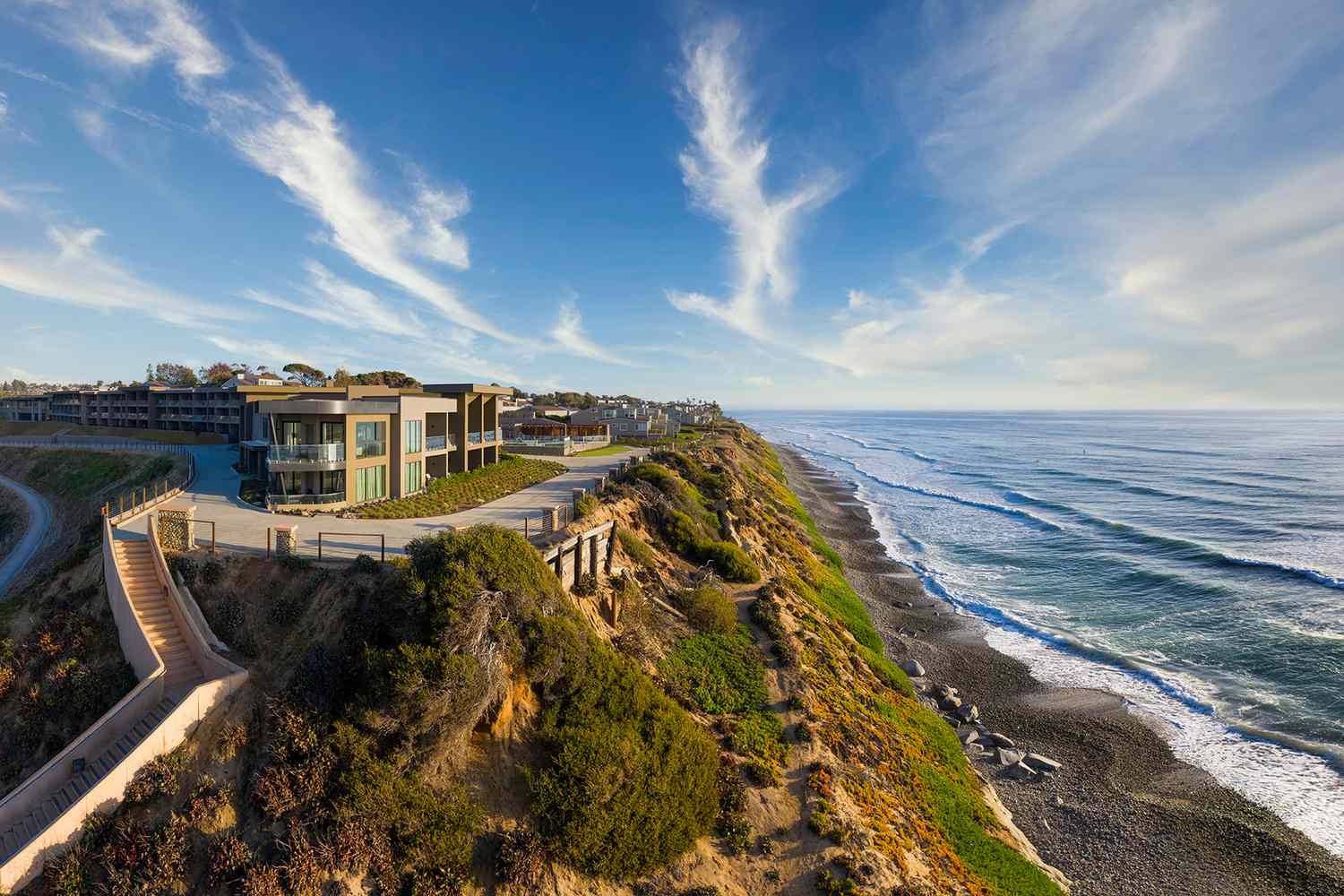
Evaluating the Best Coastal Resorts in the US: An Operational and Strategic Analysis
The coastal resort occupies a distinct stratum in the American leisure economy. It is not merely a venue for accommodation; it is an engineered ecosystem designed to synthesize high-touch hospitality with the inherent environmental instability of the coastline. To assess these environments requires a departure from standard consumer review methodologies, which frequently prioritize surface-level aesthetic signals over operational performance. True quality in coastal hospitality is found in the background: the maintenance of the physical plant against salt-air erosion, the calibration of service staffing ratios during peak occupancy, and the robustness of the facility’s climate-adaptation strategies.
The market has matured significantly, moving away from the generic “beachside hotel” model toward integrated, high-fidelity resorts that function as self-contained nodes. For the frequent traveler, the board-level decision-maker, or the family office seeking continuity, the selection process necessitates a rigorous evaluation of the resort’s operational DNA. When an organization or a high-net-worth entity seeks to identify the superior tier of these destinations, they are searching for reliability, predictability, and a service culture that is immune to the volatility of seasonal throughput.
This article serves as a definitive examination of these facilities, prioritizing structural and service metrics over subjective preference. By applying an analytical lens, we can strip away the marketing noise that often obscures the reality of resort performance.
Understanding “best coastal resorts in the us”
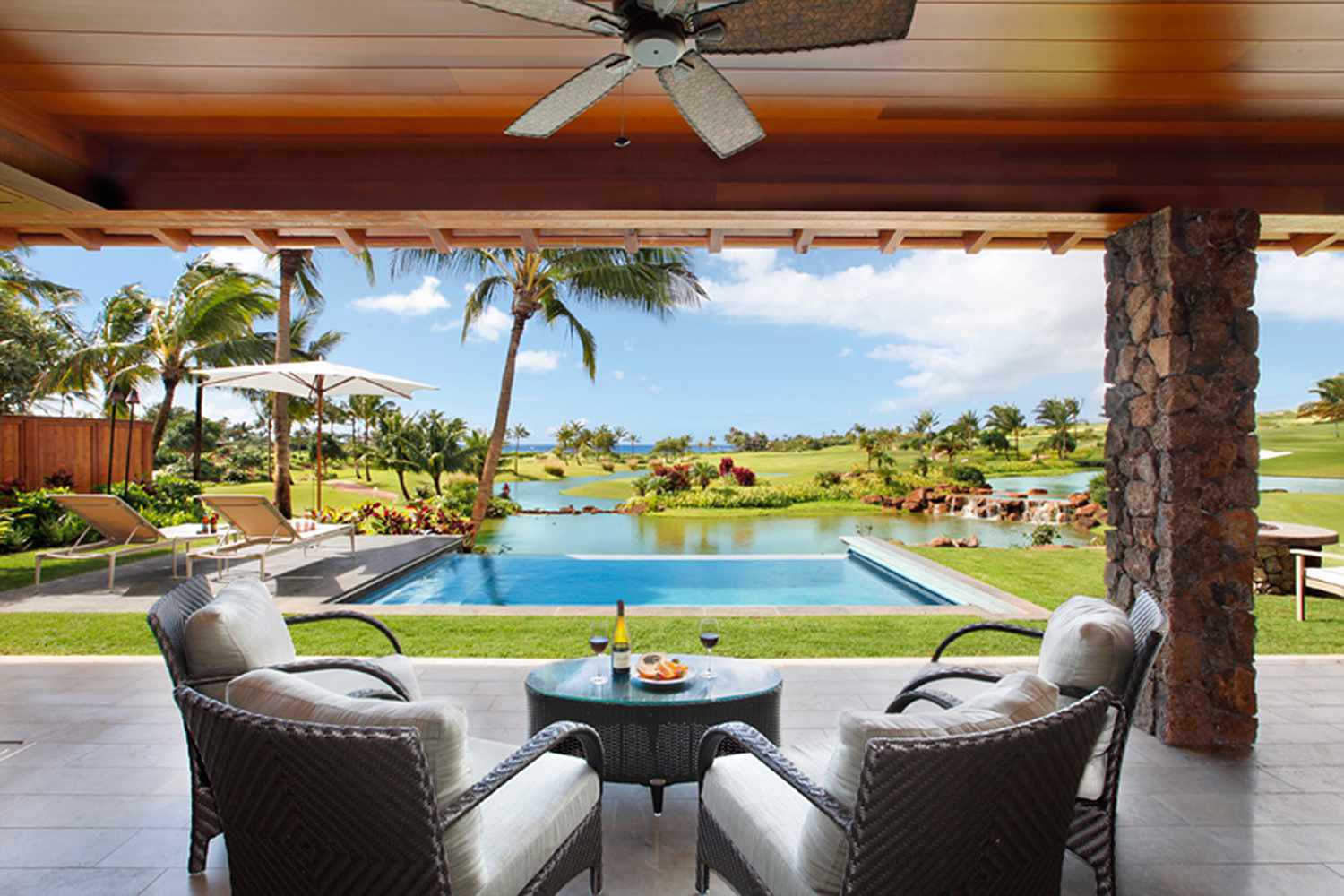
The search for the best coastal resorts in the us is often hampered by the fallacy of “universal best.” In a landscape as geographically and climatically diverse as the American coastline—stretching from the rocky, high-tide environments of Maine to the tropical, hurricane-prone latitudes of the Gulf Coast—a single, monolithic ranking is analytically invalid. A resort that achieves excellence through high-density, service-intensive urban integration cannot be compared to a remote, low-density estate focused on ecological immersion. The common misunderstanding is that excellence is an absolute quality; in reality, excellence is a measure of alignment between the resort’s operational capacity and the guest’s specific requirements.
To identify the best coastal resorts in the us, one must analyze the facility’s response to its environment. Superior facilities are those that have optimized their infrastructure to serve their specific locale. For example, a resort in a volatile climate zone must prioritize disaster-resilient building materials and advanced power-redundancy systems—features that a resort in a stable, temperate zone can afford to deprioritize. When the term is used in an editorial context, it refers to facilities that demonstrate a “mastery of local constraints.” These resorts have effectively engineered away the common frictions of travel—check-in bottlenecks, service delays during peak season, and environmental discomfort—resulting in an experience that is consistently high-fidelity, regardless of external conditions.
Deep Contextual Background
The evolution of the American coastal resort is a study in the expansion of industrial wealth. In the late 19th and early 20th centuries, coastal development was largely dominated by private, exclusionary clubs or the construction of “grand hotels” at the terminus of major rail lines. This era defined the aesthetic of the coastal resort as a bastion of permanence and social status. Post-WWII development, catalyzed by the Interstate Highway System and the rise of commercial aviation, democratized the coast but also led to a period of homogenization and “quick-build” hospitality infrastructure.
The contemporary era is defined by a flight to quality and a retreat from the “massive, standardized” resort model. The systemic evolution currently favored by high-end travelers is the “integrated campus.” These resorts function less like hotels and more like small-scale municipalities, managing their own water supply, energy grids, and security protocols. This shift is a direct response to both the increased demand for privacy and the reality of climate volatility. As the coastline faces rising sea levels and intensified weather events, the best coastal resorts in the us are those that have invested heavily in hard infrastructure—coastal reinforcement, elevation-ready design, and advanced systems architecture—ensuring their long-term viability in an increasingly precarious natural environment.
Conceptual Frameworks and Mental Models
To evaluate high-end hospitality infrastructure, one must employ specific analytical frameworks.
-
The Service-to-Volume Multiplier: This model posits that service quality is inversely proportional to occupancy density. The “best” facilities maintain staffing ratios that remain constant even as occupancy shifts, preventing the service degradation often seen in seasonal resorts.
-
The Environmental Resilience Quotient (ERQ): A facility is rated by its ability to maintain service levels during “off-normal” events—high wind, extreme heat, or coastal flooding. A resort that functions perfectly on a sunny day but collapses under weather stress is not a “top” facility.
-
The Institutional-Utility Model: This framework evaluates the resort as a business asset. Does it provide the necessary infrastructure (connectivity, privacy, meeting space) to support professional productivity, or is it exclusively designed for leisure? For many high-frequency travelers, this distinction is the primary driver of their selection.
These models allow for a more clinical assessment of whether a destination is a suitable candidate for a high-intensity, high-stakes trip.
Key Categories and Operational Variations
The following categorization helps differentiate resorts based on their operational intent.
Realistic decision logic dictates that organizations and high-net-worth individuals should choose their category based on the criticality of the mission. If the trip requires total focus and privacy, the Estate/Compound category is the only logical selection. If the trip is focused on high-level networking, the Integrated Resort is superior.
Detailed Real-World Scenarios
-
Scenario A: The Multi-Generational Migration. A family office requires a venue for a two-week gathering involving three generations. The requirement is accessibility (ADA compliance), modular living spaces, and a variety of on-site activities that prevent “cabin fever.” The failure mode is choosing a resort with high terrain variability or inaccessible layout. The best coastal resorts in the us for this scenario possess “Campus Infrastructure”—interconnected pathways, varied accommodation types (villas vs. suites), and high-reliability transport systems.
-
Scenario B: The Executive Board Retreat. An organization requires total isolation, high-speed digital infrastructure, and professional-grade dining and meeting facilities. They do not want to be interrupted by leisure tourism. The failure mode is choosing a resort that is also a popular wedding or family destination. The selection here must prioritize “Security-Ready Facilities”—resorts with discrete arrival areas, private conference wings, and a staff accustomed to non-disclosure protocols.
-
Scenario C: The Peak-Season Resilience Test. A resort is booked during a high-occupancy holiday window. A top-tier facility will maintain its service standards despite being at 100% capacity. A lower-tier facility will exhibit “service slippage”—longer wait times, reduced housekeeping frequency, and crowded dining facilities. Evaluation of the best coastal resorts in the us must include historical performance data during peak-demand cycles.
Planning, Cost, and Resource Dynamics
The economic management of these facilities is complex. Travelers often overlook the “Hidden Cost of Friction.”
-
Direct Operating Costs: Room rates, resort fees, F&B.
-
Indirect Costs: The cost of transport to remote locations, the cost of “downtime” if the resort cannot provide the required facilities (e.g., if the Wi-Fi is insufficient for a video conference), and the opportunity cost of choosing a suboptimal destination.
-
The Elasticity of Value: In the luxury coastal segment, price is often uncorrelated with quality. Some of the most expensive resorts suffer from legacy infrastructure issues, while some moderately priced resorts operate with high efficiency.
For those managing the logistics for an organization, the budget should be front-loaded into guaranteed performance, not just visual luxury.
Tools, Strategies, and Support Systems
-
Direct-to-Management Relations: Utilizing dedicated travel advisors who bypass reservation desks and speak directly to the resort’s Director of Operations or General Manager.
-
Infrastructure Vetting: Requesting architectural layouts and connectivity specifications before booking for business-critical trips.
-
Third-Party Logistics (3PL) Support: Engaging local transportation firms to manage arrival and departure, rather than relying on the resort’s potentially overtaxed shuttle service.
-
Weather/Climate Monitoring: Proactive review of the resort’s storm-mitigation plans if traveling during shoulder/hurricane seasons.
-
Data-Driven Selection: Utilizing peer-network intelligence (professional forums, industry contacts) rather than algorithm-driven review platforms, which are easily gamed.
Risk Landscape and Failure Modes
Risk in coastal hospitality is rarely about the “wow factor”; it is about the “fail factor.”
-
The “Service-Staffing” Gap: Resorts that struggle to recruit or retain high-quality staff in remote coastal areas suffer from a perpetual “training deficit.” This is the most common cause of poor experiences.
-
Climate Event Compounding: A minor storm that would be a non-issue in an urban environment becomes a facility-wide catastrophe in a remote coastal setting due to power-grid fragility.
-
The “Crowding” Threshold: Resorts that prioritize growth over capacity management eventually degrade. When the density of guests exceeds the resort’s ability to maintain its “secluded” atmosphere, the value proposition collapses.
Governance, Maintenance, and Long-Term Adaptation
Facilities that remain at the top do so through rigorous, often invisible, internal governance.
-
Layered Checklist for Assessment:
-
Maintenance Cycle: How often are the rooms renovated? (The “5-year refresh” is the industry benchmark for high-tier facilities).
-
Staff Tenure: Does the resort have a core team that has been there for more than three years? (High turnover is a proxy for poor management).
-
Infrastructure Audit: Are the electrical, water, and data systems redundant?
-
-
Adjustment Triggers: If a resort fails on service consistency twice, remove it from the “Approved Destination” list. There is no loyalty requirement in high-fidelity hospitality; only performance requirements.
Measurement, Tracking, and Evaluation
Evaluation should focus on the “Operational Efficiency Ratio.”
-
Leading Indicators: Maintenance responsiveness, the ease of pre-arrival coordination, the depth of the resort’s concierge capability.
-
Lagging Indicators: The retention of the “restored” state upon return, the lack of post-trip complaints, the consistency of the guest experience across multiple visits.
-
Documentation Example: Maintain an “Operational Ledger” for destinations. Track what worked (e.g., quiet room location, efficient F&B) and what failed. This turns the travel experience into a documented strategic asset.
Common Misconceptions and Oversimplifications
-
“Newer is always better.” Newer resorts often lack the deep-rooted service culture and mature infrastructure of older, well-maintained estates.
-
“High room rates guarantee high service.” Room rates are often a function of real estate value, not service quality.
-
“The most popular resorts are the most reliable.” Popularity is inversely correlated with the level of privacy and service attention one can expect.
-
“Booking online is the most efficient path.” In the high-end sector, online platforms lack the direct line of communication necessary for VIP service coordination.
-
“Spontaneity is the key to luxury.” True high-end experiences are the result of meticulous, almost military-grade planning.
-
“Climate resilience is a marketing talking point.” It is a critical operational reality. A resort without a disaster-response protocol is a risk, not a destination.
Ethical and Contextual Considerations
The environmental impact of coastal hospitality is a significant concern. The best coastal resorts in the us are currently defined by how they manage their footprint. This includes the implementation of advanced water-desalination and recycling, the protection of local biodiversity, and the support of the local labor economy. Selecting properties that demonstrate true stewardship—rather than performative “green” marketing—is the mark of a sophisticated traveler. A resort that exploits its environment or its local labor pool is inherently unstable.
Conclusion
The pursuit of the best coastal resorts in the us is, ultimately, an exercise in operational due diligence. It requires a clinical eye for the infrastructure that supports the experience—the systems, the staffing ratios, and the physical plant—rather than the surface-level marketing that defines the sector. There is no off-the-shelf “best.” Instead, there is the right destination for the right mission. By applying rigorous governance, demanding transparency, and treating travel as a strategic business function, organizations and individuals can secure experiences that deliver sustained value. The entities that succeed are those that view their hospitality destinations as dynamic assets, requiring constant vetting, periodic auditing, and an unwavering commitment to the principles of operational excellence. True luxury is not an aesthetic; it is the absence of operational friction.