Luxury Mountain Retreats USA: An Analytical Guide to High-Elevation Infrastructure and Strategy
The American mountain landscape occupies a singular position in the hospitality sector, representing a complex intersection of environmental fragility and aggressive infrastructural demand. To approach the subject of high-end mountain accommodation is to move beyond the superficial metrics of visual aesthetics or “ski-in, ski-out” proximity.
When analyzing these destinations, one must transition from a consumer mindset to an operational one. High-utility mountain destinations are not static; they are active, managed systems. For the family office, the strategic corporate team, or the institutional investor, these retreats serve as critical hubs for connectivity, restoration, and, increasingly, secure environmental isolation.
This analysis provides a rigorous, data-driven perspective on the sector, deconstructing the operational requirements, risk landscapes, and governance structures that differentiate ephemeral, high-marketing properties from established, high-performance assets.
Understanding “luxury mountain retreats usa”
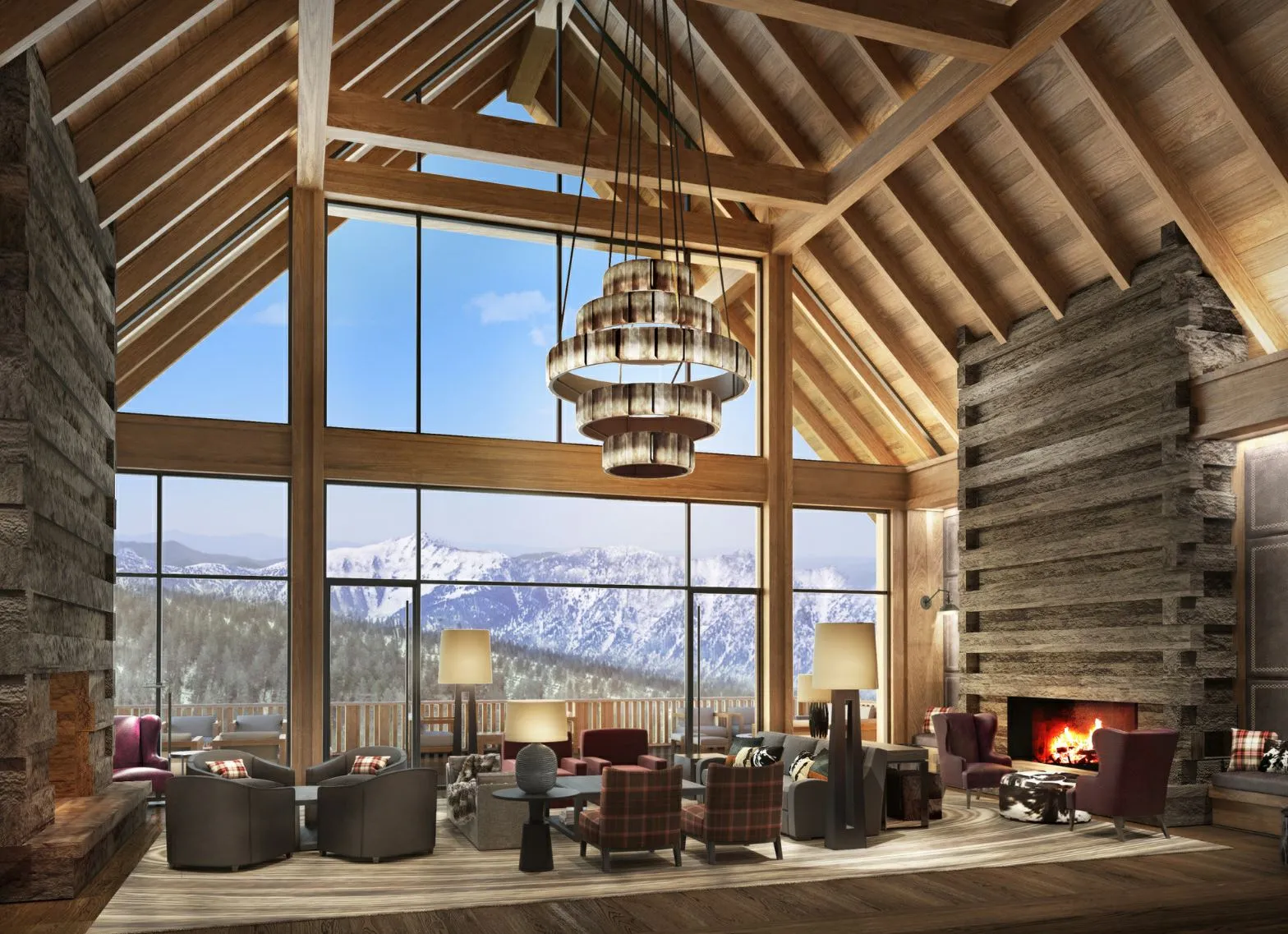
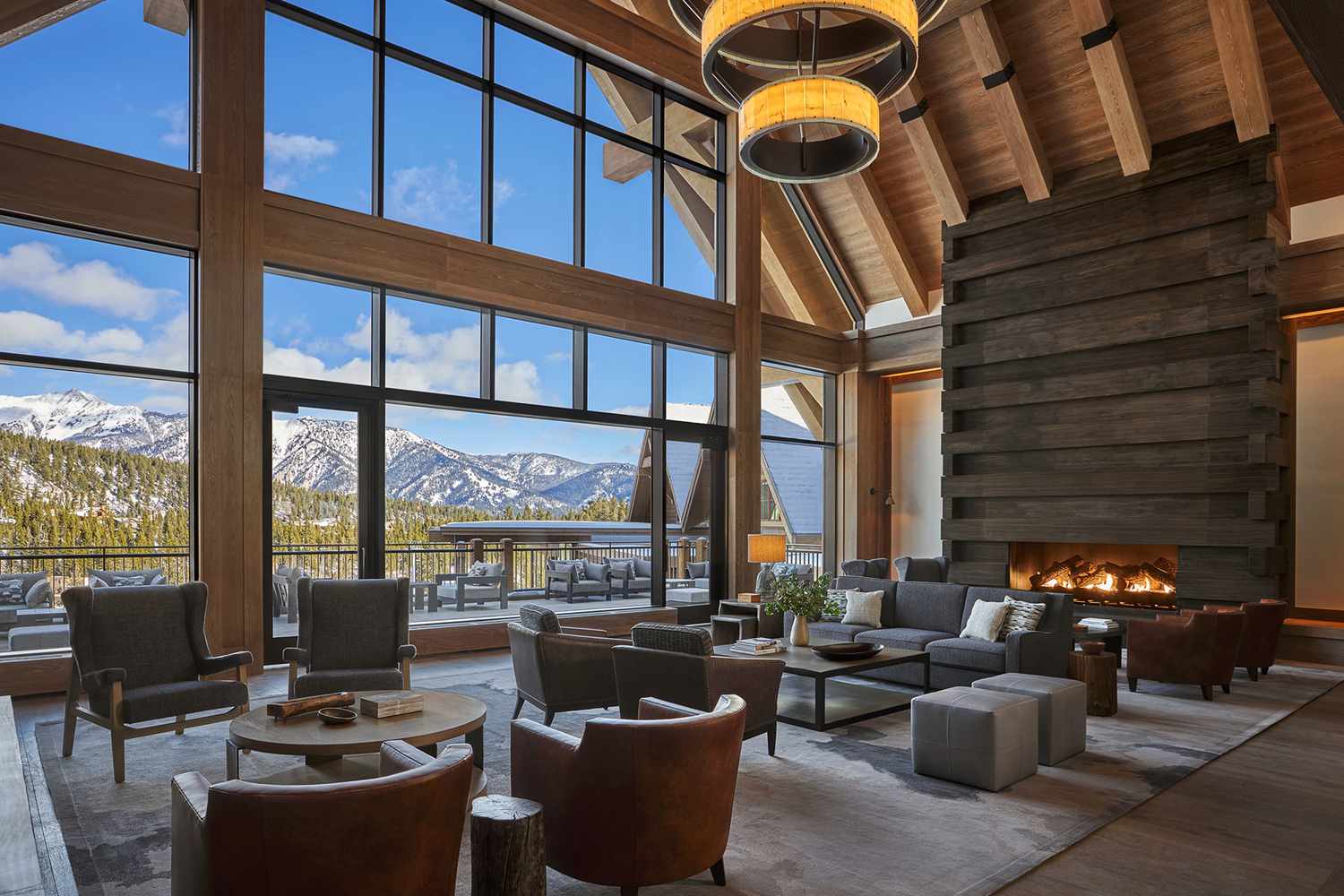
The term luxury mountain retreats usa is frequently co-opted by marketing entities to denote little more than high-ceilinged timber construction or elevated nightly room rates. This characterization is analytically vacuous. In a professional, operational context, the designation must be reserved for facilities that demonstrate a mastery of the “Mountain-Service Paradox.” This paradox acknowledges that the further a facility is removed from the infrastructure of a major metropolitan center, the more independent and self-sufficient it must become, while simultaneously escalating its service obligations to the guest.
Misunderstandings arise when consumers conflate “luxury” with “aesthetic.” A facility with world-class interior design that fails to maintain its access roads, experiences frequent utility outages, or lacks a coherent guest-service protocol during peak volatility is not a high-tier asset; it is a high-risk operational failure. We define this sector by its reliability, its infrastructural maturity, and its ability to act as a seamless extension of the guest’s professional or personal life, regardless of the elevation or the weather cycle.
Deep Contextual Background
The development of the American mountain retreat has traced a distinct evolution from 19th-century railroad-supported grand hotels to the modern, master-planned alpine campus. Historically, these locations were defined by the rail lines that served them; accessibility was the primary determinant of success. The mid-20th century, characterized by the proliferation of the Interstate Highway System and the rise of commercial aviation, shifted the focus to the “resort community” model.
The current epoch is defined by a shift toward the “Integrated Enclave.” As global volatility has increased, the mountain retreat has evolved from a recreational destination into a secure, semi-permanent base of operations for high-net-worth individuals and corporate leadership. This has forced developers to prioritize “hard infrastructure”—high-speed digital connectivity, hardened power grids, and private security protocols—over the purely recreational amenities that characterized the late 20th-century model. We are seeing a contraction in the number of sprawling, low-density resorts in favor of highly managed, efficient, and technologically integrated facilities that function more like private municipalities than commercial hotels.
Conceptual Frameworks and Mental Models
To evaluate high-altitude hospitality, one must employ frameworks that emphasize systemic integrity over decorative appeal.
-
The Accessibility-Service Inverse: As a retreat becomes more isolated (higher difficulty of access), the service expectations do not decrease; they increase exponentially. The most successful facilities are those that have “solved” the logistics of remote service delivery—the ability to provide fresh, high-quality resources, staffing, and support, despite the geographic constraints.
-
The Seasonal Throughput Model: Unlike urban hotels, mountain retreats are subjected to violent fluctuations in capacity. The “best” facilities are those that have optimized their operations for the “peak-to-off-peak” transition. This requires a flexible staffing and supply-chain model that does not collapse when occupancy drops by 80% outside of the primary season.
-
The Environmental Stewardship Multiplier: Long-term asset value in mountain environments is tethered to the health of the surrounding ecosystem. Resorts that actively participate in the conservation and management of their local environment—and have built that stewardship into their operating budget—are significantly more resilient than those that treat the landscape as an expendable background asset.
These frameworks force a shift in focus from “What does the room look like?” to “How does the facility survive and thrive in this specific environment?”
Key Categories and Operational Variations
The following categorization serves as a tool for identifying the operational DNA of a destination.
Realistic decision logic dictates that the choice of facility must be driven by the criticality of the mission. A corporate leadership retreat requires the privacy and connectivity of a Remote Estate/Enclave, whereas a multi-generational family gathering might benefit from the resources and activity density of an Integrated Alpine Campus.
Detailed Real-World Scenarios
-
Scenario A: The Corporate Governance Retreat. A board of directors requires an environment that ensures total privacy, zero digital leakage, and high-level service support for intensive meetings. They choose a remote enclave that features dedicated, secure conference wings and satellite-linked redundancy. The failure mode here would be choosing a high-traffic “resort-style” property where confidentiality cannot be guaranteed.
-
Scenario B: The High-Altitude Family Compound. A multi-generational family requires a two-month stay. The primary requirements are medical-grade infrastructure, childcare/education support, and reliable logistics. The facility must be managed like a private municipality, with on-site support staff that are not transient.
-
Scenario C: The Shoulder-Season Strategy Session. A small team travels during the “off-season.” They require the facility to remain fully operational, with no degradation in service levels, despite the lower occupancy. The failure mode is a resort that shutters 50% of its amenities during this period, turning a potential productive environment into a stagnant one.
Planning, Cost, and Resource Dynamics
The economic analysis of these retreats requires a distinction between the “sticker price” and the “cost of failure.”
-
Direct Costs: Room rates, resort fees, F&B, activity premiums.
-
Operational Overhead: The hidden costs of remote logistics—the transportation of goods, staff housing, and the maintenance of infrastructure in hostile weather.
-
The Variability Coefficient: High-end mountain destinations operate with a “cost-plus” model—the premium paid covers the massive overhead of seasonal operations.
The budget should be front-loaded into guaranteed performance. In mountain environments, “saving” on a lower-tier facility often leads to exponentially higher costs related to logistical failures (e.g., failed transport, lack of on-site resources).
Tools, Strategies, and Support Systems
-
Direct-to-Management Logistics: Bypassing standard reservation platforms to establish a direct line with the Director of Operations or General Manager.
-
Infrastructural Vetting: Requesting specific data on power redundancy, satellite connectivity, and snow-mitigation protocols.
-
Third-Party Concierge/Fixers: Engaging local logistical specialists who have existing relationships with the resort’s local vendors.
-
Data-Driven Selection: Using peer networks and professional associations to verify the facility’s performance during off-normal events (storms, staff shortages).
-
Equipment/Gear Logistics: Engaging dedicated freight companies to move specialized gear, rather than relying on resort-provided equipment.
Risk Landscape and Failure Modes
Risk in high-altitude hospitality is almost always systemic.
-
The Staffing Collapse: Many mountain resorts rely on a transient labor force. When the labor market tightens, service levels evaporate. This is the single greatest risk to the “luxury” experience.
-
Environmental Compounding: A moderate weather event (e.g., a heavy blizzard) can trigger a facility-wide failure if the power grid or the transportation access is compromised.
-
The “Density Threshold”: When a retreat allows its occupancy to exceed its service infrastructure, the result is a catastrophic drop in the quality of the stay.
Governance, Maintenance, and Long-Term Adaptation
Facilities that remain at the top do so through rigorous, often invisible, internal governance.
-
The Maintenance Audit: The facility must have a visible, proactive plan for maintenance. High-altitude environments destroy materials faster than any other; if the facility looks worn, it is failing.
-
Layered Checklist for Assessment:
-
Power/Data Redundancy: Are there independent systems?
-
Staff Tenure: Does the management team remain stable over multiple seasons?
-
Access Infrastructure: Is the road/transport system hardened?
-
-
Adaptation Triggers: When a facility notes a consistent decline in service metrics, it must be willing to scale back capacity—even at the cost of revenue—to protect the asset’s long-term reputation.
Measurement, Tracking, and Evaluation
Evaluation should focus on the “Operational Efficiency Ratio.”
-
Leading Indicators: The speed of the pre-arrival communication, the robustness of the facility’s contingency plans, the presence of long-term staff.
-
Lagging Indicators: The consistency of service during high-occupancy peaks, the lack of unplanned facility downtime, the repeat-visit rate of high-intensity users.
-
Documentation Example: Maintain an “Operational Ledger” for destinations. Track what worked and what failed in previous visits. Turn the experience into a documented strategic asset.
Common Misconceptions and Oversimplifications
-
“High altitude guarantees quality.” Quality is a product of management, not geography. Many high-altitude facilities are poorly managed.
-
“The most expensive facility is the best.” Price is a function of supply and demand, not necessarily operational excellence.
-
“Ski-in/ski-out is the only metric.” For non-ski-focused travelers, this feature is irrelevant and often creates higher noise/crowd levels.
-
“Newer is always better.” Newer facilities often lack the mature infrastructure and stable staffing ecosystems of older, well-maintained estates.
-
“Spontaneity is the key.” True high-end experiences at luxury mountain retreats usa are the result of meticulous, almost military-grade planning.
-
“Climate change is an external issue.” For mountain retreats, it is a core operational risk that must be actively managed.
Ethical and Contextual Considerations
The environmental footprint of these retreats is under increased scrutiny. The luxury mountain retreats usa that will thrive in the coming decades are those that demonstrate genuine environmental stewardship—investing in water-recycling, protecting local wildlife corridors, and supporting local economies rather than extracting from them. True luxury, in the modern context, is the ability to enjoy the environment without compromising its future. Selecting a facility that is indifferent to its ecological impact is a strategic error.
Conclusion
The pursuit of the luxury mountain retreats usa that consistently perform at a high level is an exercise in rigorous due diligence. It requires an analytical commitment to the infrastructure that supports the experience—the systems, the staffing, and the management—rather than the marketing narratives that define the broader industry. There is no singular “best.” There is only the right destination for the specific operational mission. By applying rigorous governance, demanding transparency, and treating travel as a strategic business function, individuals and organizations can secure experiences that deliver sustained value. The entities that succeed are those that view their destinations as dynamic assets, requiring constant vetting, periodic auditing, and an unwavering commitment to the principles of operational excellence. Mastery lies in the continuous evaluation and alignment of that fit.